Navigating the roads of Costa Rica is one of the most rewarding ways to experience the country’s diverse landscapes, from the misty cloud forests of Monteverde to the sun-drenched beaches of the Nicoya Peninsula. While the scenery is breathtaking, driving in a foreign country always introduces a set of logistical questions. One of the most common points of confusion for international travellers is the process of refuelling.
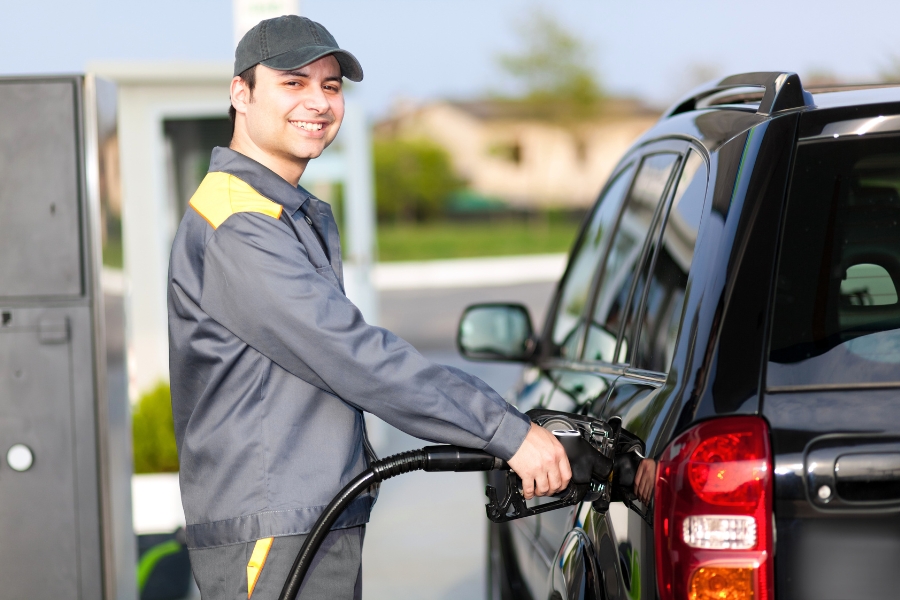
In Costa Rica, the experience of visiting a gas station is a unique blend of old-school service and modern regulation. Unlike many parts of the world where self-service is the norm, Costa Rica maintains a traditional full-service model that makes the process surprisingly relaxed once you understand the local etiquette and terminology.
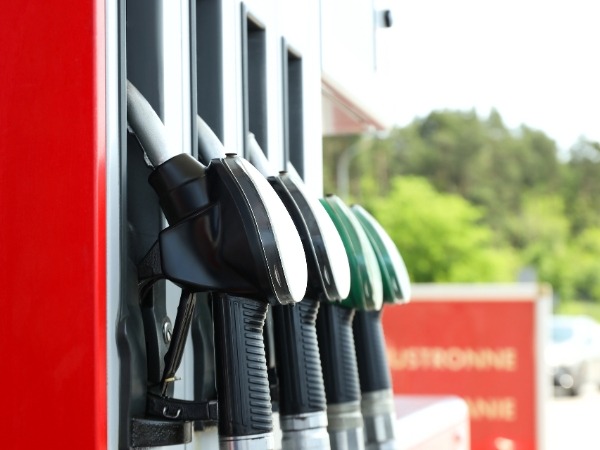
Before you pull up to the pump, you must know the type of fuel your vehicle requires. Most rental cars in Costa Rica run on either petrol or diesel. Petrol is generally split into two categories: Super and Plus 91. Super is a 95-octane fuel and is typically identified by red markings or handles at the pump. This is a high-performance fuel often recommended for newer engines or higher-end SUVs. Plus 91, often referred to simply as Regular, is a 91-octane fuel usually marked with black. While most standard rental cars run perfectly well on Regular, it is always wise to check the specific requirements of your vehicle to avoid any mechanical issues.
Diesel is the third major option and is extremely common in Costa Rica due to the high volume of 4x4 vehicles and trucks. Diesel pumps are typically marked with green. It is critical to note that putting petrol into a diesel engine, or vice versa, can cause catastrophic damage that will not be covered by your rental insurance.
To avoid this, look for a sticker on the inside of the fuel filler door or on the dashboard. Most rental agencies also attach a tag to the key ring that specifies the fuel type. If you are still unsure, do not hesitate to ask the attendant to wait while you double-check your rental agreement.
The local term for a gas station is a bomba. This word is used universally, and you will see signs for various brands. By law, every station in the country has attendants who handle the entire transaction. This provides a layer of convenience but also requires a bit of social interaction that can be daunting if you are not prepared for the flow of the conversation.
The interaction usually begins with a friendly greeting. A simple "Buenos días" or "Buenas tardes" goes a long way in establishing a positive rapport. The attendant will ask how much fuel you need. You have two main ways to answer this. You can ask them to fill the tank by saying "Lleno, por favor", which means "Full, please".
Alternatively, if you only want a specific amount, you can request it by the value in the local currency, the colon. For example, asking for "Diez mil colones" will get you roughly ten thousand colones worth of fuel. While most attendants are honest, checking the meter prevents any errors from the previous customer’s transaction being added to your bill. While the fuel is pumping, the attendant will often offer to wash your windscreen or check your oil and tyre pressure.
One of the most unique aspects of the Costa Rican fuel market is that prices are strictly regulated by the government through an agency called ARESEP. This means that whether you are at a sleek station in the heart of San José or a tiny outpost in a remote village, the price per litre will be the same. There is no need to shop around for a better deal or worry that you are being overcharged because you are in a touristy area. This regulation brings a sense of fairness to the road trip experience and allows you to plan your budget with precision.
When it comes to the units of measurement, Costa Rica uses the metric system. Fuel is sold by the litre rather than the gallon. For those accustomed to imperial measurements, this can make the price seem deceptively low at first glance until you do the mental conversion.
Regarding payment, almost all gas stations across the country accept major credit and debit cards. However, it is always a good idea to keep the card within your sight during the transaction. While the attendant may take your card to a handheld terminal, ensure you receive a printed receipt. If you prefer to pay in cash, it is highly recommended to use the local currency, colones. While US dollars are widely accepted in Costa Rica, the exchange rate offered at gas stations is often poor.
Tipping at a gas station is not a mandatory requirement in Costa Rica, but it is a common and appreciated gesture. If the attendant has provided extra services such as cleaning your windows, checking your fluid levels, or helping you with directions, a small tip is appropriate. Usually, an amount between five hundred and one thousand colones is considered generous. This is roughly equivalent to one or two dollars. Most locals will hand over a small coin or note as they receive their change. It is a simple way to participate in the local economy and show appreciation for the manual labour provided in the tropical heat.
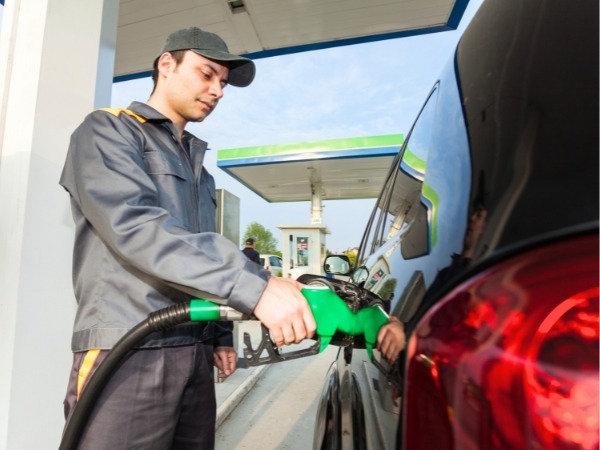
The social atmosphere at a bomba is generally helpful. If you are lost or need to know about road conditions ahead, the pisteros are often the best source of real-time information. They know the local roads better than any satellite navigation system and can warn you about recent landslides, bridge closures, or heavy traffic. Engaging in a bit of small talk, even if your Spanish is limited, can often result in valuable travel tips that you won't find in any guidebook.
While gas stations are plentiful in the Central Valley and along major motorways like the Inter-Americana, they can become sparse as you venture into more rural or coastal areas. In regions such as the Osa Peninsula or the deep reaches of Guanacaste, you may go for an hour or more without seeing a single station.
For this reason, it is highly recommended to follow the half-tank rule. Whenever your fuel gauge drops to the halfway mark, start looking for the next bomba. It is far better to top up early than to find yourself searching for fuel on a remote dirt road as the sun begins to set. Many rural stations may close earlier in the evening than those in the city. If you are planning a long night drive, ensure you have a full tank before leaving a major town.
While the full-service model is convenient, it does introduce a few opportunities for minor scams or simple human error. The most common issue is double-charging, where a customer is accidentally charged twice on their credit card. This usually happens due to poor internet connectivity with the handheld terminal. Always ask for a physical receipt and check your mobile banking app, if possible, before driving away. Another thing to watch for is the "pump jump", where an attendant fails to reset the meter to zero from the previous customer. By simply pointing at the meter and saying "Cero" before they start, you signal that you are an observant customer.
Most stations are very safe and are often some of the best-lit and most secure places to stop during a long journey. However, there have been occasional reports of the flat tyre modus. This involves one person pointing out a supposed problem with your vehicle, such as a low tyre or a leak, to distract you while another person reaches into the car to take valuables. While this is rare, it is always a good idea to keep your doors locked and your bags out of sight, even while you are parked at the pump. Stay with your vehicle and maintain a general awareness of your surroundings.
Refuelling in Costa Rica is a small but significant part of the travel experience that reflects the country’s overall approach to hospitality and regulation. The transition to a full-service system allows you to take a moment to pause, hydrate, and perhaps grab a snack from the "pulperia" or convenience store usually attached to the station. These shops are often excellent places to find local coffee, fresh empanadas, or cold drinks. By understanding the fuel types, knowing a few key phrases, and keeping an eye on your surroundings, you can turn a mundane chore into a smooth part of your adventure.
The "Pura Vida" lifestyle extends even to the gas pump. There is no need to rush or feel stressed about the mechanics of the pump. Let the professionals handle the dirty work while you enjoy the view or plan your next destination. Do not let the logistics of the road hold you back. Book your car on Final Rentals today and prepare to fuel up for the journey of a lifetime. The open road is calling, and with this guide in hand, you are ready to navigate it with the confidence of a local.