Finalrentals Blog

Published in Travel Category.
Costa Rica's travel posters often showcase its golden Pacific sunsets and the cloud forests of Monteverde, but the Caribbean coast in the vibrant province of Limón offers a different kind of Pura Vida vibe—raw, rhythmic, and soulful. Here, the emerald rainforest meets the turquoise Atlantic, creating a wild landscape that invites a slower, more intentional pace of life compared to the bustling resorts of the west.
The Caribbean identity is shaped by a rich cultural melting pot, heavily influenced by Afro-Caribbean heritage from Jamaican immigrants in the late 19th century. This influence is evident in the local Patois, the rhythm of reggae and calypso music, the brightly painted wooden houses, and the warm community spirit. Nature and culture intertwine, with the region’s biodiversity reflecting its diverse traditions.
When planning a visit to this paradise, it's important to monitor seasonal weather patterns. While the Pacific side experiences a dry season from December to April, the Caribbean remains lush and rainy year-round. Interestingly, September and October—typically peak rainy months elsewhere—are often the sunniest and calmest on the Caribbean coast, offering ideal conditions for snorkelling and exploring the vibrant marine life beneath the surface.
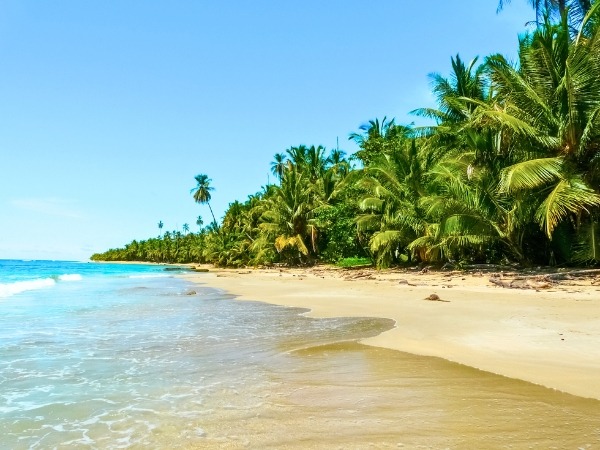
Your Five-Day Caribbean Coast Tour
To truly experience the breadth of this region, you must embrace the open road. The Caribbean coast is essentially one long, beautiful stretch of shoreline, and the best way to see it is to start in the wilderness of the north and work your way down to the jungle.
Day 1: Tortuguero Village
The journey begins in Tortuguero, a destination so remote it can only be reached by boat or small aircraft. For those driving, you can leave your vehicle at the La Pavona dock and board a longboat that weaves through winding jungle canals. As the boat glides through the tea-coloured waters, you will be surrounded by ancient trees draped in lianas and hear the sound of birdsong and the distant growl of howler monkeys.
Once you arrive in the village, the focus shifts to the water. A kayak tour allows for a silent approach to wildlife, offering glimpses of caimans and river turtles. If your visit falls between July and October, you can witness giant green sea turtles nesting on the black sand beaches.
Day 2: Talamanca Region
After the tranquil isolation of Tortuguero, the second day involves returning to the mainland and heading south towards the Talamanca region. The drive passes through vast banana and pineapple plantations. A perfect halfway stop is the Sloth Sanctuary near Cahuita, which focuses on the rescue and rehabilitation of orphaned or injured sloths.
By late afternoon, the scenery shifts as you arrive in Puerto Viejo de Talamanca. This is the cultural hub of the south, a town where the jungle meets the sea in a riot of bohemian energy. Checking into a local lodge provides the perfect vantage point to watch the first stars appear over the Atlantic.
Day 3: Wildlife Reserves
The third day is dedicated to exploring the coastal wonders of Cahuita National Park. This park protects one of the most developed coral reefs on the coast. The hiking trail is a flat path that hugs the coastline for 8 kilometres, offering the best place to see white-faced capuchin monkeys and sloths at eye level.
After a morning of hiking, the afternoon offers an opportunity to visit the Jaguar Rescue Center. The guided tours focus on the goal of releasing animals back into the wild. Seeing a troop of young howler monkeys or a rescued margay provides a profound connection to the conservation efforts vital to this region.
Day 4: BriBri Community
On the fourth day, the itinerary moves inland to explore the ancestral roots of the BriBri indigenous people. A visit to a BriBri community provides an eye-opening look at traditional medicine and the cultural importance of cacao. Participating in a ceremony that tracks the process from the raw cacao pod to a steaming cup of traditional chocolate is a grounding experience.
The afternoon brings a return to the coast for a dose of adrenaline. Playa Cocles is famous for its consistent surf breaks, and the warm Caribbean water is incredibly inviting. Alternatively, you can rent a bicycle to navigate the jungle road, which is a local rite of passage.
Day 5: Manzanillo Village
The final day takes you to the end of Highway 36. Manzanillo is a sleepy fishing village serving as the gateway to the Gandoca-Manzanillo Wildlife Refuge, a perfect place to spot wildlife like sloths, birds, and monkeys. A hike out to the scenic cliffs provides a dramatic view of the coastline and the iconic Miss May shipwreck.
Before leaving, a stop at Punta Uva is essential. This bay features calm, translucent waters protected by a rocky headland. Renting a paddleboard allows you to explore "Sloth Point" from the water. As the day ends, a farewell dinner of seafood in Manzanillo serves as the perfect conclusion to a journey through a region that feels like a well-kept secret.
Your Dive into Local Culinary Delights
The cuisine of the Caribbean coast is defined by coconut milk, ginger, allspice, and the fiery Scotch Bonnet pepper. Street food is a pillar of the local culture. Travellers should look for Pati, a spicy meat-filled pastry reflecting Cornish pasty influences, and Pan Bon, a dark, dense fruit bread traditionally eaten during Easter but available year-round.
The Caribbean version of the national dish, Gallo Pinto, simmers the rice and beans in fresh coconut milk, giving it a rich, creamy texture and a subtle sweetness that balances the spice of the accompanying chicken or fish. This culinary distinction is a source of regional pride and a direct link to West Indian traditions.
For a truly authentic experience, you must also seek out Rondon. The name is an adaptation of "run down". referring to whatever the cook could find in the garden and sea that day. It is a slow-cooked seafood stew featuring coconut milk, yuca, and the freshest catch, resulting in a comforting flavour that encapsulates the soul of the coast.
Your Practical Tips For a Smooth Trip
Navigating the Caribbean coast requires careful foresight and planning. These practical tips will help you prepare for the road and ensure a smooth trip.
- Pack the Appropriate Gear: The Caribbean coast has high humidity, making it difficult for clothes to dry. Pack quick-dry synthetic fabrics instead of cotton. A dry bag is also essential for boat transfers to Tortuguero and protecting your gear from sudden downpours. Don’t forget reef-safe sunscreen and biodegradable insect repellent to safeguard yourself and the local ecosystem.
- Book the Right Rental Car: While a 4x4 is not strictly required for the main highway, a vehicle with high clearance is highly recommended for navigating the unpaved driveways of eco-lodges and the secondary roads between beaches.
- Stay Connected with eSIMs: While major towns have decent signal, the jungle canopy can block mobile reception quite easily. For the most reliable GPS and data, purchase a local eSIM or a physical SIM card. This ensures you have access to maps even when the village Wi-Fi is down, which is common during tropical storms.
- Monitor the Road Closures: Route 32, which connects the capital to Limón, passes through the Braulio Carrillo National Park. While stunning, it is prone to fog and landslides during heavy rain. Always check for road closures before departing and aim to drive during daylight hours.
- Bring Cash in Rural Areas: Though many places accept digital payments, the Caribbean is still a region that values cash. Smaller "sodas" and independent tour guides often do not have card terminals. It is essential to carry a mix of Costa Rican Colones and US Dollars. Be sure to withdraw cash in Limón or Puerto Viejo, as ATMs become increasingly scarce as you move south towards Manzanillo.
- Protect Wildlife and Nature: The region is renowned for its wildlife, and it's crucial to respect proper etiquette. Avoid feeding monkeys and sloths, as it disrupts their diet and creates dependencies. Keep your distance from nesting turtles and refrain from flash photography. Support licensed centres to see animals up close while contributing to real conservation efforts.
- Embrace a Slow Travel Pace: Manage your expectations regarding time. Service in restaurants and hotels follows a "Caribbean time" philosophy. Adapt to the slower pace rather than fight it. Plan your meals with extra time in mind and use the waiting periods to enjoy the surroundings or strike up a conversation with a local.
Your Rental Car for a Caribbean Drive
The Caribbean coast of Costa Rica asks you to slow down and respect the delicate balance between humanity and nature. This is a place that does not just show you beauty; it invites you to feel it. By choosing to stay in locally owned eco-lodges and supporting community-led tours, you contribute to a model of regenerative tourism that ensures the magic of the region remains intact for generations to come.
To truly unlock the secrets of this coast, you need the freedom to follow every winding path and stop at every roadside coconut stand. Grab the keys to paradise and take control of your adventure. Rent a car from Final Rentals today to ensure you have the liberty to explore the hidden gems from Cahuita to the very end of the road in Manzanillo. The Caribbean is waiting, and the best way to find it is behind the wheel.