
The province of Guanacaste, located in the northwest corner of Costa Rica, is often referred to as the Gold Coast for its sun-drenched plains and shimmering Pacific shores. While many travellers arrive and head straight to a beach resort, the true spirit of this region is found in its diverse landscapes.
By choosing to drive, you unlock the ability to traverse Guanacaste’s microclimates at your own pace, from the rare tropical dry forests of the lowlands to the cloud-shrouded peaks of active volcanoes. It enables you to embark on spontaneous discovery of natural wonders across the province.
Exploring Guanacaste by car offers a level of freedom and autonomy that no organised shuttle or tour bus can match. In a country where the phrase Pura Vida serves as both a greeting and a philosophy, having your own four wheels ensures that you can truly live that philosophy, moving with the rhythm of the tides rather than a rigid tour schedule.
Success on the roads of Guanacaste begins with finding the right timing for your trip. The dry season, which runs from December through April, is the most popular time for a road trip. During these months, the sun is nearly constant, and the gravel roads are at their most accessible.
However, the green season, stretching from May to November, offers its own rewards. The brown plains transform into a lush emerald carpet, and the afternoon rains provide a cooling respite from the heat. This period also hosts the arribadas, the spectacular mass nesting of sea turtles on the Pacific shores.
Choosing the right vehicle is perhaps the most critical decision for any Costa Rican road trip. While many main arteries are well-paved, the charm of Guanacaste often lies at the end of a secondary road. A four-wheel-drive or high-clearance SUV is highly recommended, as it provides the necessary power to navigate steep inclines and the durability to handle potholes or occasional river crossings during the wetter months.
Packing for a road trip in this region requires a balance between beach comfort and rugged utility. A sturdy pair of closed-toe hiking shoes is crucial for navigating volcanic trails, while high-quality water shoes will protect your feet from volcanic rocks and hidden reefs. Don’t forget a lightweight, breathable rain jacket, as cooler temperatures can be found at higher elevations near the volcanoes, even during the dry season.
Other essential items include high-SPF sunscreen and biodegradable insect repellent to combat the intense sun and persistent mosquitoes. To safeguard your electronics and camera during boat transfers or sudden downpours, a dry bag is invaluable. It's also wise to have a physical road map as a backup, along with a high-capacity portable power bank and a small car inverter or USB adapter to keep your devices charged while on the road.
The first two days of your journey should be dedicated to the volcanic highlands. Rincón de la Vieja National Park offers a dramatic introduction to the geothermal power of the region. Driving through the park entrance, you will find trails such as the Las Pailas loop, where the earth literally breathes through bubbling mud pots and sulphurous fumaroles. After a morning of hiking, a short drive leads to the Llanos del Cortez Waterfall. This hidden gem features a wide curtain of water falling into a shallow pool, providing a perfect natural swimming hole.
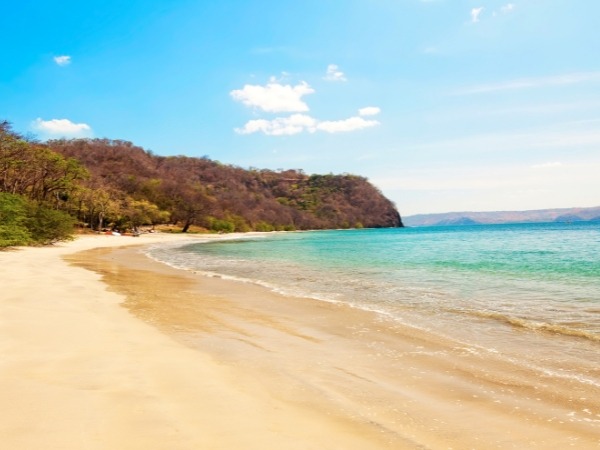
On the third and fourth day, steer your vehicle toward the northern bays. The Papagayo Peninsula and Playas del Coco represent the more developed yet still stunning coastlines. Beach hopping is the top activity here. You can start at the tranquil Playa Hermosa before driving over the ridge to Playa Ocotal, known for its dark sands and excellent snorkelling. For the most spectacular sunset views, visit the Gulf of Papagayo and park at the quiet clifftop lookout accessible only by car.
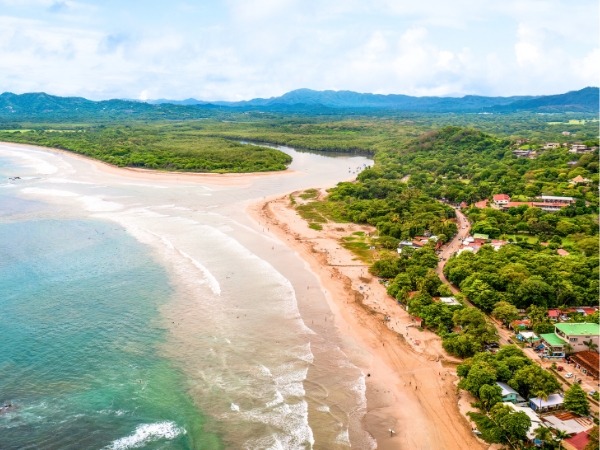
Days five and six take you into the heart of the surf culture in Tamarindo, Flamingo, and Conchal. Playa Conchal is a must-visit destination, famous for its shore composed entirely of tiny, crushed white shells rather than sand. It is a short, scenic drive from the luxury of Flamingo. Further south lies Tamarindo, a bustling town where the nightlife is as vibrant as the surfing. Even if you are not a surfer, the town serves as a great base for kayaking through the nearby mangroves or exploring the diverse estuary systems that teem with crocodiles.
The last leg of your trip should be reserved for the Blue Zone areas of Nosara and Sámara. These regions are part of the world’s few designated Blue Zones, where residents live significantly longer lives. The drive south becomes more rugged, but the reward is the wellness hub of Nosara. This area is world-renowned for its yoga retreats and the consistent surf of Playa Guiones. A short drive away is the Ostional Wildlife Refuge, where you may witness thousands of Olive Ridley turtles nesting. Finally, conclude your trip in Sámara, a town with a relaxed, family-friendly atmosphere.
One of the greatest benefits of having your own vehicle is the ability to reach Playa San Juanillo. This is often cited as one of the most beautiful beaches in Costa Rica, featuring a unique double-sided shore where two white-sand beaches meet at a rocky point. Without a private car, reaching this remote location is nearly impossible, but the turquoise waters and panoramic views from the overlook make the drive well worth the effort. It remains a tranquil escape from the more crowded tourist hubs.
For those interested in geology, Barra Honda National Park offers an underground adventure. While most people visit Guanacaste for the beaches or volcanoes, this park contains a network of limestone caverns that were once submerged under the sea, a perfect discovery for explorers.
Further inland, the Miravalles Volcano offers a quieter alternative to the more famous peaks. This area is home to rustic hot springs and mud baths that are far less commercialised than those found in the La Fortuna area. Driving here allows you to experience a more authentic side of the province.
For truly adventurous travellers, the Monkey Trail provides a rugged shortcut between Flamingo and Playas del Coco. This route involves steep grades and a river crossing, making it a thrilling test for your four-wheel-drive vehicle and offering views that the paved highways simply cannot match. It is a classic example of how a rental car can turn a standard commute into a memorable highlight of the trip.
Navigating the roads of Guanacaste requires an understanding of local customs and safety protocols. To ensure a smooth journey, keep the following tips in mind.
A road trip through Guanacaste is more than just a vacation; it is an immersion into the Pura Vida philosophy. By choosing to drive, you engage with the land and its people on a deeper level. The friendliness of the local Guanacastecos and the raw beauty of the landscape create an environment where the journey is as significant as the destination.
The province of Guanacaste is waiting to be explored, but its secrets are reserved for those willing to take the wheel and find them. The best memories of a Costa Rican escapade are not usually found in the brochures of a luxury hotel. They are found when you follow a hand-painted sign to a local soda for a traditional lunch or when you find a hidden cove where the only footprints in the sand are your own.
Stop dreaming about the perfect sunset and take the steps to make it a reality. Book your car on Final Rentals today and prepare to experience the rugged beauty of Guanacaste on your own terms. Your Pura Vida journey is just a drive away—embrace the open road, and begin your adventure of a lifetime.