Driving in Costa Rica is one of the best ways to see the country at your own pace. From sun-soaked beaches and lush rainforests to volcanoes and quaint towns, having your own vehicle lets you explore comfortably and on your schedule. Public buses and shuttles exist, but they follow fixed routes and schedules, which can limit where and when you go.
For travellers who rent a car through trusted providers like Final Rentals, the journey becomes more flexible and stress-free. With the right preparation, you can enjoy safe, smooth driving across Costa Rica’s diverse landscapes, and the following tips will help you make the most of every trip.

Costa Rica may look small on a map, but travel times can be longer than expected due to winding roads, mountains, and traffic. Driving allows you to explore at your own pace without relying on public transport timetables. Many of the country’s most beautiful beaches, waterfalls, and national parks are difficult to reach by bus.
When you rent a car, you can stop whenever you want, take scenic detours, and visit remote areas that most tourists miss. This is especially helpful for families, couples, or travellers carrying luggage or adventure equipment such as surfboards or hiking gear.
Driving legally in Costa Rica requires meeting a few key requirements. Understanding these rules ensures a smooth and stress-free rental and driving experience for travellers.
Driving in Costa Rica generally follows standard international rules, but there are local regulations and practices every traveller should know. Observing these rules ensures a safer and more enjoyable driving experience.
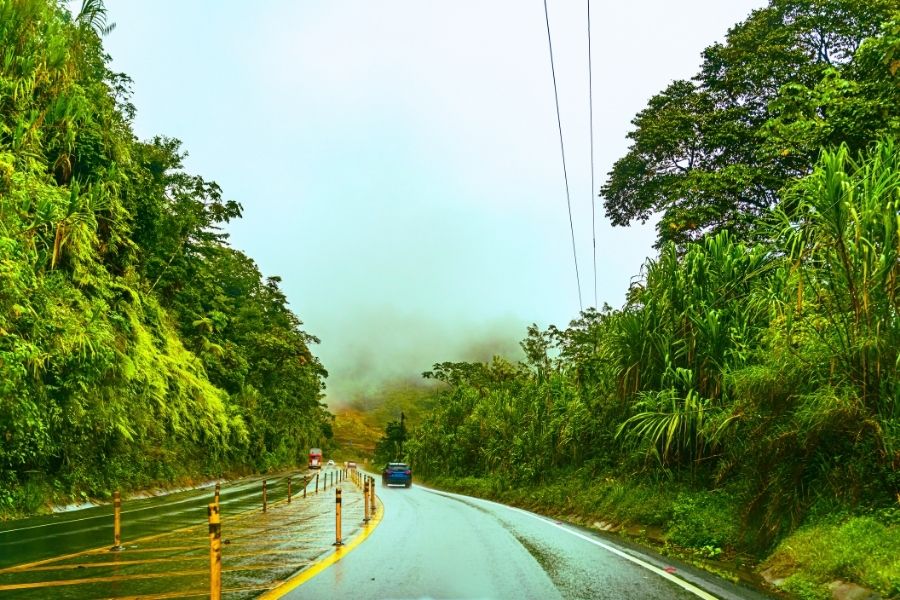
Road conditions in Costa Rica vary greatly depending on where you are driving. Major highways connecting cities and popular tourist destinations are generally paved and in good condition, although traffic congestion is common around San José and other urban areas. In contrast, rural and mountain roads can be narrow, winding, and full of potholes.
Some roads may not be paved, especially in remote areas and near beaches. In coastal and jungle regions, gravel roads and river crossings are common, particularly during the rainy season. In these conditions, using a four-wheel-drive vehicle is highly recommended to ensure comfort and safety on your journey.
Costa Rica has a tropical climate with two main seasons, and the weather greatly affects driving conditions. The dry season, from December to April, is the best time to drive, as roads are dry, visibility is good, and the risk of flooding is low. However, gravel roads can become dusty, and popular routes may be busy with tourists.
The rainy season lasts from May to November and brings heavy afternoon rains, particularly in September and October. During this time, drivers should be cautious of slippery roads, reduced visibility, and occasional landslides. Flooding can affect rural roads, and river crossings may become dangerous. Checking weather forecasts and local road updates before driving long distances is strongly advised.

Road signs in Costa Rica are mostly written in Spanish, although many rely on symbols rather than text. Speed limits are in kilometres per hour, and warning signs are common in mountainous areas. In some rural locations, road signs may be missing or unclear, making navigation more challenging.
GPS apps work well in most parts of the country. Downloading offline maps is a smart idea when travelling to remote areas with a weak mobile signal. Costa Rican drivers can be unpredictable at times, with sudden stops or turns, so defensive driving and patience are essential.
In Costa Rica, fuel stations are common in towns and along major roads, but become scarce in remote areas. Petrol currently costs about CRC 626.00 per litre (USD 1.26). Most stations are full-service, with attendants refuelling your vehicle, checking tyre pressure, and cleaning the windscreen. Credit and debit cards are widely accepted, but it’s wise to carry some cash when travelling to rural locations. Always confirm the correct fuel type and top up your tank before longer journeys to avoid running low in areas with few stations.
Parking in Costa Rica requires attention, especially in busy towns and cities. Street parking is common, but some areas use marked zones where payment is required. Parking attendants often manage these spaces and provide tickets. Yellow lines indicate no parking, and vehicles parked illegally may be fined or towed. Private car parks offer better security and are available at shopping centres, tourist attractions, and hotels. Wherever you park, never leave valuables visible inside the car, as opportunistic theft can occur.
Driving in Costa Rica is generally safe, but caution is always important. Avoid driving at night in rural or unfamiliar areas, as roads may not be well-lit and animals often cross unexpectedly. Keep your doors locked and windows closed when driving in cities, especially in traffic. Always be alert at intersections, as not all drivers strictly follow road rules.
If you are involved in an accident, do not move the vehicle unless it is blocking traffic. Call the traffic police and your insurance provider immediately and wait for instructions. The national emergency number in Costa Rica is 911.

Renting a car is a convenient and practical option for visitors. When choosing a rental company, it’s important to select one with transparent pricing, well-maintained vehicles, and clear insurance policies. While liability insurance is legally required, purchasing additional coverage is recommended for extra peace of mind.
Final Rentals is a trusted choice for travellers looking to rent a car in Costa Rica with confidence. With a convenient location at Juan Santamaría International Airport in Alajuela, Final Rentals offers a wide range of vehicles suitable for city driving, long road trips, and off-road adventures, along with local customer support to ensure a smooth and enjoyable journey.
First-time drivers in Costa Rica should take their time and drive defensively. Traffic can be slow, and road conditions may change suddenly. Expect pedestrians, cyclists, motorbikes, and animals on the road, especially outside cities. Using your horn lightly to signal on narrow roads or blind corners is common practice and considered polite.
Some of Costa Rica’s most scenic routes are best explored by car. The drive from San José to Arenal Volcano offers beautiful views and well-maintained roads, making it ideal for beginners. The route from San José to Manuel Antonio combines highways and coastal scenery and is one of the most popular drives in the country. In Guanacaste, having a rental car allows you to explore multiple beaches and small towns at your own pace, far from crowded tour buses.

Driving costs in Costa Rica include car rental fees, insurance, fuel, and tolls. Tolls are relatively inexpensive and are found mainly on major highways. They accept cash and cards, but carrying small bills is helpful. Planning your budget helps avoid unexpected expenses and ensures a smoother trip.
Costa Rica is known for its strong commitment to environmental protection. Drivers are encouraged to respect wildlife, reduce speed in protected areas, and avoid littering. Choosing fuel-efficient vehicles and driving responsibly helps preserve the country’s natural beauty for future generations.
For added convenience, download the Final Rentals app, available on Google Play and the App Store. The app lets you easily manage your booking, view rental details, and contact support while on the road, making it an essential tool for anyone planning to rent a car and explore Costa Rica with confidence.
Driving in Costa Rica offers an unmatched level of freedom and access to the country’s diverse landscapes. With proper preparation, awareness of local road rules, and a reliable rental vehicle, visitors can enjoy a safe and memorable journey. Whether you are travelling through rainforests, along coastlines, or into the mountains, choosing to book a car with Final Rentals is one of the best ways to experience everything the country has to offer. With trusted providers like Final Rentals, your road trip can be smooth, flexible, and enjoyable from start to finish.
Driving in Costa Rica is manageable for tourists who drive carefully, follow local rules, and stay alert, especially in rural areas.
A four-wheel-drive vehicle is recommended if you plan to visit beaches, mountains, or remote areas with unpaved or muddy roads.
Most road signs use symbols, but they are written in Spanish. Navigation apps are very helpful for visitors.
Final Rentals offers clear pricing, reliable vehicles, and local support, making it a trusted choice for driving in Costa Rica.
Yes, you can manage your booking easily through the Final Rentals app available on Google Play and the App Store.