
The Osa Peninsula, often called Costa Rica's last wild frontier, is a largely untouched land that juts into the Pacific Ocean. Home to 2.5% of the world's biodiversity, it offers a vivid glimpse into a thriving natural world. While many arrive by air or boat, driving allows for a deeper exploration of this stunning landscape, making the journey itself part of the adventure.
The region's primary draw is its raw, unfiltered nature, where scarlet macaws and howler monkeys dominate the soundscape. A self-drive adventure provides the ability to stop at secluded beaches or watch wildlife up close. However, this freedom comes with challenges: the terrain is rugged, and a high-clearance four-wheel-drive vehicle is essential for navigating its demanding roads, especially in tropical weather. This guide will help you prepare for the wild drive and navigate the rural roads.
A successful expedition to the Osa depends entirely on the quality of your groundwork. This is not a region where you can simply "wing it", as the combination of heat, isolation, and terrain can quickly turn a minor oversight into a major complication. Here’s a list of things that you should prepare.
Preparation for a journey into the Osa begins with selecting the right vehicle. A standard sedan or even a soft-roader crossover is insufficient for the challenges presented by the deeper reaches of the peninsula. High ground clearance is essential for navigating the ruts and rocky transitions found on the road to Carate or the interior track to Drake Bay. A 4x4 with a low-range gearbox is highly recommended, particularly if you are travelling during the green season when gravel slopes can become slick with mud.
Beyond the vehicular requirements, modern navigation is a cornerstone of a successful trip. It is vital to use a reliable navigation app that offers real-time updates on traffic and road hazards. Because physical addresses are essentially nonexistent in this part of Costa Rica, these apps allow you to navigate using precise GPS pins provided by lodges and tour operators. Ensuring you have a local SIM card or an eSIM is equally important, as you will want to maintain a data connection to monitor road conditions or download offline maps for areas where the signal inevitably fades.
Packing for a self-drive expedition to the Osa requires a focus on functionality and resilience. The humidity in this region frequently exceeds 80%, meaning that traditional cotton clothing will remain damp and uncomfortable for the duration of your stay. Instead, you should pack moisture-wicking and quick-dry fabrics that can withstand the tropical heat.
Footwear must be versatile, including sturdy, broken-in hiking boots for the muddy trails of Corcovado and waterproof sandals for beach walks or navigating shallow water. You should also include reef-safe sunscreen to protect the delicate marine ecosystems and high-potency insect repellent to ward off the mosquitoes and sandflies of the rainforest.
Technical equipment is also a necessity when exploring by car. Power outages are a common occurrence in remote eco-lodges, making a high-capacity portable power bank an essential item to keep your devices charged. A high-lumen headlamp or flashlight is also required for navigating dark lodge grounds or during any evening roadside stops. For those interested in the local fauna, a pair of quality binoculars and a camera with a powerful zoom lens are indispensable, as much of the Osa’s wildlife resides high within the primary rainforest canopy.
Foresight is required regarding fuel. You must fill your tank in towns like Palmar Norte or Chacarita before entering the peninsula proper, as formal petrol stations vanish once you commit to the deeper coastal roads. It is a good rule of thumb to never let your tank drop below half when exploring the remote outskirts of Carate or Drake Bay, as the nearest pump can be several hours away.
There are two main gateways into the Osa Peninsula, each offering a distinct driving experience. The way to Puerto Jiménez via Route 245 is the most accessible path. This road is largely paved and offers a scenic introduction to the region as it skirts the edge of the Golfo Dulce. It serves as the primary artery for those heading toward the southern tip of the peninsula and the La Leona entrance of Corcovado National Park.
In contrast, the route to Drake Bay is significantly more adventurous. Although new bridges have replaced some of the most treacherous river crossings, the road remains a steep and winding gravel track. During the rainy season, these hills can become slippery, demanding careful use of a four-wheel-drive system and a steady hand.
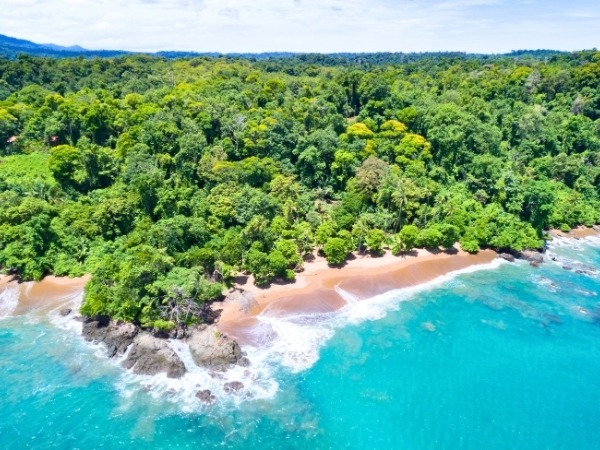
A well-planned seven-day itinerary enables you to have a comprehensive exploration of both sides of the peninsula. This schedule balances time behind the wheel with immersion in the natural world.
Your journey begins with the exhilarating descent into Drake Bay, a route that transitions from the smooth tarmac of the Costanera Sur to the rugged, red-clay tracks of the peninsula’s interior. After turning off at Rincon, the road weaves through dense secondary forest and over newly constructed bridges that have replaced the legendary river crossings of the past.
This drive offers a raw introduction to the Osa’s geography, requiring careful navigation of steep inclines and sharp gravel bends that test the torque of your 4x4. As you reach the coastal village, the sight of the Pacific through the canopy provides a rewarding end to a day of focused driving, setting the stage for the tropical isolation that defines this corner of the world.
On the second day, the car remains parked as you depart by boat from the shores of Drake Bay to the Caño Island Biological Reserve, a volcanic rock formation located roughly twelve miles offshore. This protected marine sanctuary is widely regarded as one of the premier diving and snorkelling destinations in Central America, boasting visibility that often exceeds twenty metres.
Beneath the surface, the rock reefs are teeming with life, where you can drift alongside massive schools of jacks, observe white-tip reef sharks resting in caves, and swim with sea turtles and manta rays. The island’s surrounding waters also serve as a migratory corridor for humpback whales, making the boat journey just as exciting as the time spent in the water.
The third day takes you deep into the heart of Corcovado National Park with a wet-landing boat trip to the Sirena Ranger Station, the epicentre of the peninsula's biodiversity. Because Sirena is so geographically isolated, the wildlife here has little fear of humans, offering some of the most intimate nature encounters on the planet.
Walking the well-maintained trail system that radiates from the station, you are almost guaranteed to spot the endangered Baird’s tapir cooling off in the mud or the elusive peccary roaming the forest floor. Meanwhile, the nearby Rio Sirena serves as a sunbathing spot for crocodiles and bull sharks.
The canopy above is equally active, home to spider monkeys and the endemic squirrel monkey. It is also a birdwatcher’s paradise, boasting almost 400 species, including the scarlet macaw, resplendent quetzals, and harpy eagles. Make sure to bring your binoculars to view these animals up close.
On the fourth day, you will navigate the rugged interior route that connects the west coast of the Osa to the bustling hub of Puerto Jiménez on the east. This three-hour transit takes you through a mosaic of primary forest and small agricultural settlements, offering a glimpse into the rural life of the Tico population who call this wild landscape home.
Upon reaching Puerto Jiménez, the atmosphere shifts from the open Pacific to the tranquil, mirror-like waters of the Golfo Dulce. The day concludes with a serene kayaking excursion through the mangrove estuaries as the sun sets, followed by the magical spectacle of bioluminescence where every stroke of your paddle ignites a neon-blue glow in the water.
The fifth day is dedicated to Cabo Matapalo, a remote cape at the very tip of the peninsula where the Golfo Dulce meets the open ocean. The drive to Matapalo is slow and rhythmic, requiring you to navigate around ancient trees and over small streams that flow directly onto the beach.
This area is a haven for those seeking a slower pace, featuring hidden waterfall hikes like the King Louis, where a short trek through the jungle leads to a powerful cascade perfect for a refreshing swim. For surf enthusiasts, the beaches of Pan Dulce and Backwash offer world-class right-hand point breaks that roll in against a backdrop of scarlet macaws feeding in the almond trees lining the shore.
On the sixth day, you will move forward with a challenging drive to Carate. This stretch of track is a sensory experience, with the windows down allowing the scent of salt air and damp earth to fill the cabin as you cross rocky stream beds and skirt the edge of the wilderness.
Once you reach the end of the road, a hike along the beach toward the La Leona entrance of Corcovado provides a rugged coastal experience where the jungle creates a towering wall of green against the black volcanic sand. This is a prime location for spotting majestic birds of prey and observing the intricate tracks of jaguars or pumas that occasionally wander onto the beach under the cover of night.
Your final day is reserved for a contemplative departure, allowing for one last morning of wildlife spotting from the comfort of your lodge before beginning the long drive back toward the Central Valley. As you climb back up the mountainous spine of the peninsula, the perspective from the driver’s seat allows you to appreciate the immense scale of the wilderness you have just traversed.
The transition back to paved highways and traffic serves as a stark reminder of the Osa’s uniqueness, reinforcing the value of the autonomy your car provided. This final leg is not just a return trip, but an opportunity to process the sights and sounds of a week spent in one of the most intense and beautiful natural environments on Earth.
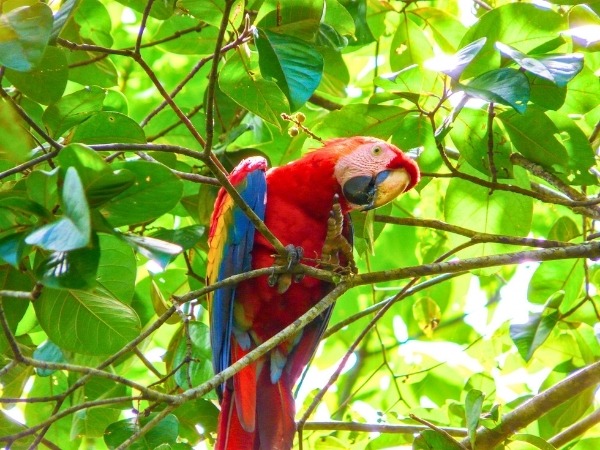
Driving the Osa Peninsula is an experience that transcends a typical holiday commute. It is an immersive challenge that places you directly in contact with one of the most biologically rich places on the planet. While the roads require constant attention and a capable four-wheel-drive vehicle, the reward is an unparalleled sense of autonomy. You are not bound by the schedules of others, allowing you to linger in the presence of a scarlet macaw or stay an extra hour at a secluded waterfall.
By choosing to drive, you become an active participant in the exploration of Costa Rica's final natural frontier. Do not settle for the passive experience of a tour bus or a quick flight over the canopy. Take the wheel, embrace the mud and the gravel, and discover the majesty of the Osa on your own terms. The wild heart of Costa Rica is waiting for those brave enough to drive into it. Book your four-wheel-drive on Final Rentals today and begin the ultimate adventure.